Global Japanese Sushi Rolls
Highlighted under: Fusion Food
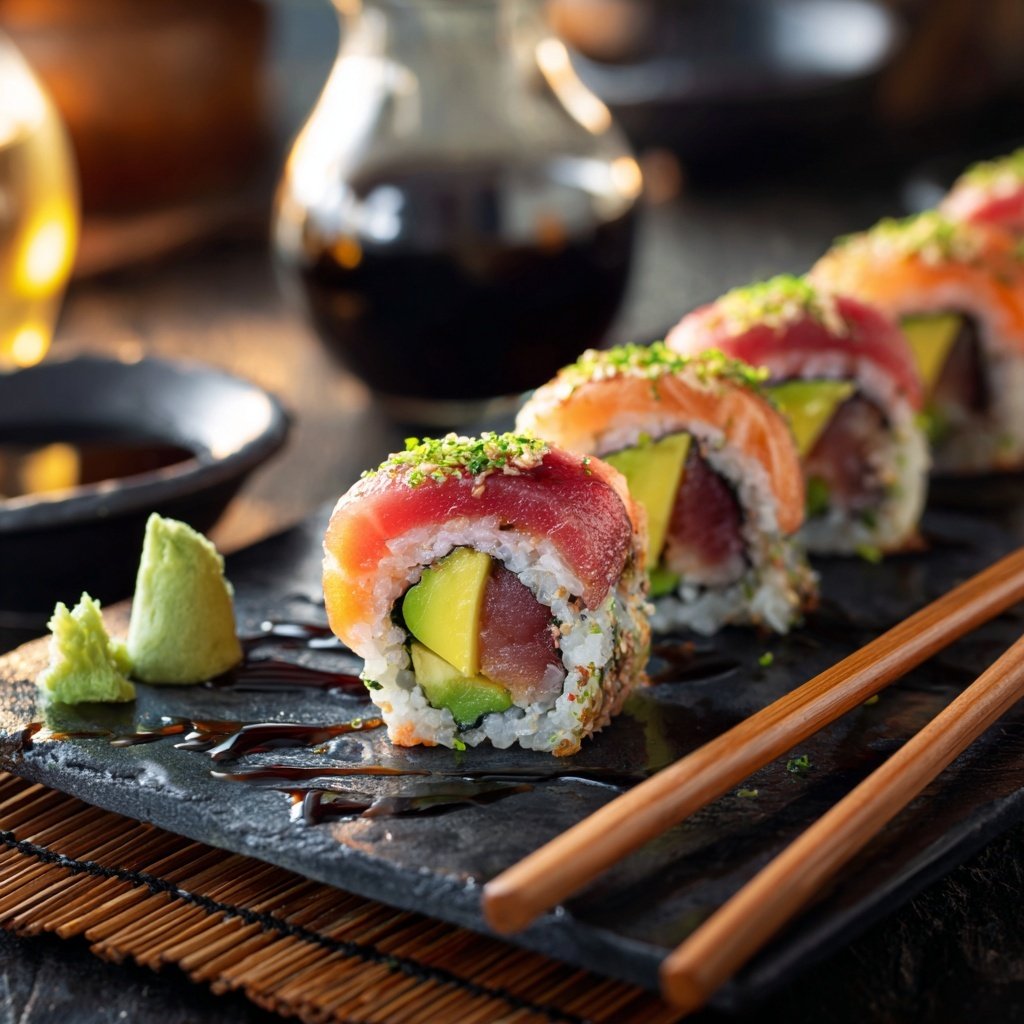
I absolutely love making Global Japanese Sushi Rolls at home! The moment I prepare the ingredients and roll them up, I feel a sense of excitement. Not only is it a fun activity that gets everyone involved, but the combination of fresh veggies, fish, and perfectly seasoned rice is simply unbeatable. Whether you're serving it for a casual lunch or a vibrant dinner party, these rolls never fail to impress. Plus, with some creativity, you can customize them to include your favorite fillings, making each roll unique and personal.
When I decided to dive into the world of sushi making, I didn't know it would turn into one of my favorite culinary adventures. Each roll allows me to combine different textures and flavors, turning simple ingredients into something extraordinary. I started with the classic roll but quickly realized that adding unexpected ingredients, like spicy mayo or mango, made them even more delightful.
One of my favorite tips is to use a bamboo mat for rolling; it makes the process much easier and ensures a tight sushi roll every time. I also recommend giving your sushi rice a short rinse before cooking to remove excess starch, which helps achieve that perfect stickiness!
Why You'll Love These Rolls
- Endless customization options for fillings and toppings
- Fresh and vibrant flavors for a delightful bite
- A fun activity perfect for gatherings and family nights
Mastering Sushi Rice
The sushi rice is the heart of any sushi roll, and perfecting it is crucial for a satisfying bite. When rinsing the rice, use plenty of cold water until it runs clear to remove excess starch and achieve a fluffy texture. Once cooked, let it steam off the heat for an additional 10 minutes to ensure the grains are tender yet firm. Stir in the vinegar mixture while the rice is still warm for optimal absorption, which will enhance its flavor and stickiness.
For those with dietary restrictions, feel free to substitute traditional sushi rice with quinoa or cauliflower rice, but note that the texture will differ. Quinoa provides a nutty flavor and a slightly chewy texture that can hold together well. If using cauliflower rice, sauté it briefly with a touch of rice vinegar to mimic that tangy flavor typical of sushi rice.
Rolling Techniques
When rolling sushi, the technique is just as important as the ingredients. Ensure you apply even pressure when rolling the bamboo mat; this helps the ingredients adhere together. If you're struggling to roll neatly, it may be helpful to start with less filling until you're comfortable with the technique. A good rule of thumb is to aim for about a tablespoon of each filling to maintain balance without overwhelming the rice and nori.
Sometimes, the sushi roll can end up too loose or fall apart. If this happens, consider wetting the edge of the nori more thoroughly before sealing, or adding a little more pressure during the rolling process. If you end up with uneven rolls, don’t worry; they can still look beautiful when sliced! Just be mindful to cut with a sharp knife, using a sawing motion rather than pressing down, to keep the filling intact.
Ingredients
Sushi Ingredients
- 2 cups sushi rice
- 2 1/2 cups water
- 1/4 cup rice vinegar
- 2 tablespoons sugar
- 1 teaspoon salt
- Nori sheets
- Fresh vegetables (cucumber, avocado, peppers)
- Cooked fish (tuna, salmon, or shrimp)
- Soy sauce (for dipping)
- Wasabi and pickled ginger (optional)
Adjust the ingredients based on your preferences!
Steps to Make Sushi Rolls
Prepare the Sushi Rice
Rinse the sushi rice under cold water until the water runs clear. Combine the rice and water in a pot and bring to a boil. Cover and reduce heat to low, simmering for 20 minutes. Remove from heat, let it sit covered for 10 minutes, then stir in rice vinegar, sugar, and salt.
Assemble the Ingredients
Slice the vegetables and fish into thin strips. Set up your rolling station with a bamboo mat, nori sheets, and your fillings.
Roll the Sushi
Place a nori sheet on the bamboo mat, shiny side down. Wet your hands and spread a thin layer of sushi rice over the nori, leaving a margin at the top. Lay your fillings in a line across the rice and carefully roll the sushi away from you, using the mat to guide it. Seal the edge with a little water.
Slice and Serve
Use a sharp knife to slice the sushi rolls into bite-sized pieces. Serve with soy sauce, wasabi, and pickled ginger.
Enjoy your homemade sushi rolls!

Pro Tips
- Experiment with sauces and toppings to enhance your rolls! Try adding sesame seeds for extra flavor or mango slices for sweetness.
Customizing Your Rolls
One of the joys of making your own sushi is the ability to customize each roll according to personal tastes. For a vegetarian option, consider using ingredients like roasted sweet potatoes, crispy tempura vegetables, or even grilled tofu. These not only provide texture but also add a depth of flavor that complements the rice.
In addition to the more traditional fillings, think about fusion options that reflect your own culinary preferences. For instance, adding cream cheese and smoked salmon creates a delightful contrast of flavors, while mango or pineapple can introduce a sweet note. Each unique ingredient can bring a new layer to the flavor profile, making your sushi distinctly yours.
Serving Suggestions
When serving your sushi, presentation is key. Arrange the sushi rolls on a platter with garnishes of pickled ginger and wasabi for an inviting display. You might also want to prepare a small bowl of soy sauce for dipping, but consider adding a splash of sesame oil or a sprinkle of furikake for an extra layer of flavor. This small touch can elevate the tasting experience for you and your guests.
If you have leftovers, store them in an airtight container in the refrigerator for up to 24 hours. I recommend enjoying them cold, but if you prefer them warm, you can microwave the rolls for just a few seconds. Be cautious, as overcooking can make the rice hard. Instead of reheating, consider packing any leftover fillings for a refreshing salad the next day!
Questions About Recipes
→ Can I use regular rice instead of sushi rice?
It's best to use sushi rice for authentic texture and stickiness, but you can try short-grain rice in a pinch.
→ How do I store leftover sushi?
Sushi is best enjoyed fresh, but you can wrap it tightly in plastic wrap and keep it in the refrigerator for up to 24 hours.
→ Can I make sushi vegetarian?
Absolutely! You can use vegetables like cucumber, avocado, and bell peppers to create delicious vegetarian rolls.
→ What type of fish is best for sushi?
Fresh fish such as tuna, salmon, and yellowtail are popular choices, but make sure they are sushi-grade.
Global Japanese Sushi Rolls
Created by: The Chefdanielcooks Team
Recipe Type: Fusion Food
Skill Level: Intermediate
Final Quantity: 4 rolls
What You'll Need
Sushi Ingredients
- 2 cups sushi rice
- 2 1/2 cups water
- 1/4 cup rice vinegar
- 2 tablespoons sugar
- 1 teaspoon salt
- Nori sheets
- Fresh vegetables (cucumber, avocado, peppers)
- Cooked fish (tuna, salmon, or shrimp)
- Soy sauce (for dipping)
- Wasabi and pickled ginger (optional)
How-To Steps
Rinse the sushi rice under cold water until the water runs clear. Combine the rice and water in a pot and bring to a boil. Cover and reduce heat to low, simmering for 20 minutes. Remove from heat, let it sit covered for 10 minutes, then stir in rice vinegar, sugar, and salt.
Slice the vegetables and fish into thin strips. Set up your rolling station with a bamboo mat, nori sheets, and your fillings.
Place a nori sheet on the bamboo mat, shiny side down. Wet your hands and spread a thin layer of sushi rice over the nori, leaving a margin at the top. Lay your fillings in a line across the rice and carefully roll the sushi away from you, using the mat to guide it. Seal the edge with a little water.
Use a sharp knife to slice the sushi rolls into bite-sized pieces. Serve with soy sauce, wasabi, and pickled ginger.
Extra Tips
- Experiment with sauces and toppings to enhance your rolls! Try adding sesame seeds for extra flavor or mango slices for sweetness.
Nutritional Breakdown (Per Serving)
- Calories: 300 kcal
- Total Fat: 5g
- Saturated Fat: 1g
- Cholesterol: 30mg
- Sodium: 500mg
- Total Carbohydrates: 54g
- Dietary Fiber: 3g
- Sugars: 2g
- Protein: 8g